Blog
Digital accessibility: what are the new website accessibility regulations in 2025?
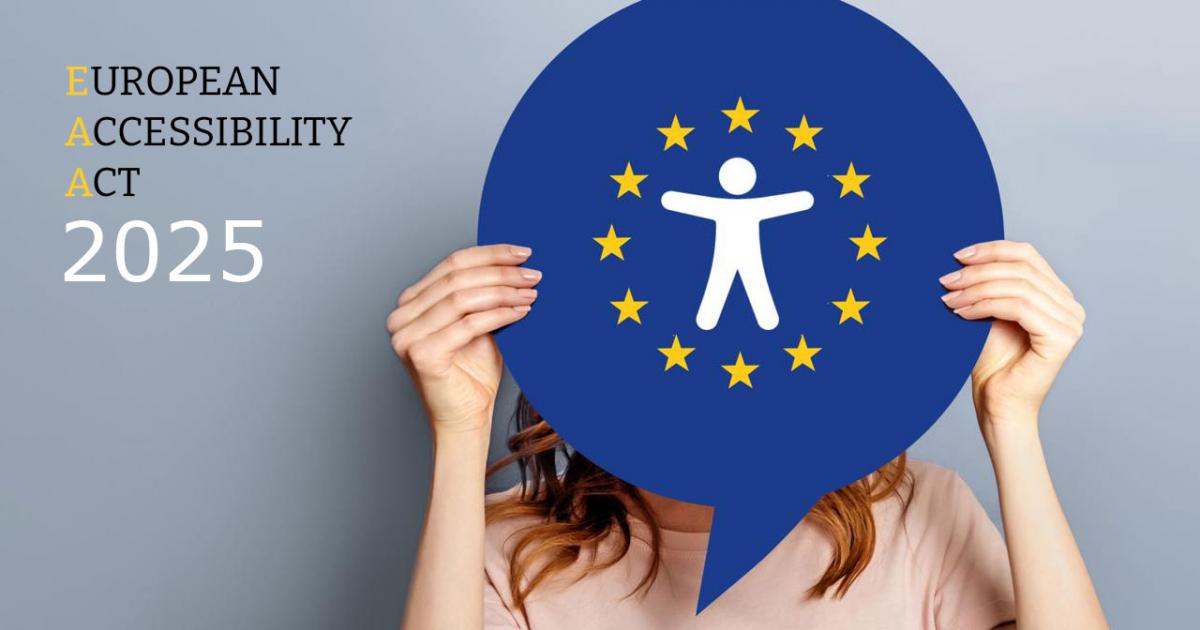
If you run a company or an online business, you may have already heard of “web accessibility”, but you may think it is just a technical issue or an obligation for a few. In reality, accessibility is a real opportunity for those who want to grow their business and prepare for the new rules that will come into force in 2025, a real opportunity for companies that want to grow online and demonstrate inclusiveness. From 28 June 2025, in fact, European legislation (European Accessibility Act) will require all digital sites and services, including e-commerce and booking portals, to be fully accessible also to people with disabilities.
What does digital accessibility mean?
Web accessibility means making your site easily usable by anyone, following guidelines based on four basic principles, known by the acronym POUR: Perceivable (perceivable), Operable (usable), Understandable (understandable) and Robust (robust), which guarantee a digital experience usable by every user, regardless of their sensory or cognitive abilities. In simple terms, it means designing and developing websites, applications and digital content in such a way that they are usable by anyone, including people with visual, hearing, motor or cognitive disabilities, also using assistive technologies such as screen readers or special keyboards.
This universal accessibility capability is not only a matter of social inclusion, but also a regulatory obligation. In Italy, the Stanca Law (no. 4/2004) and Legislative Decree 106/2018 transpose EU Directive 2016/2102, imposing accessibility standards on websites and apps, especially in the public sector, with extensions also to the private sector by 2025, in line with the European Accessibility Act.
From a practical point of view, an accessible website must comply with the international WCAG 2.1 (Web Content Accessibility Guidelines), which define technical and usability requirements to enable simple, understandable and independent navigation for all users. Companies with a turnover of more than EUR 500 million are already obliged to comply with them, while companies with more than 10 employees or a turnover of more than EUR 2 million and micro-companies operating in sectors such as the sale of technology products, digital banking and transport will have to comply by 28 June 2025.
This translates into:
• Clear structure and simple navigation: an accessible website must have a logical and well-organised structure, with intuitive menus and easily understandable navigation paths. This helps not only users with cognitive or visual impairments, but also those who use assistive technologies such as screen readers or alternative keyboards.
• Alternative texts for images: each image must be accompanied by an alternative text (alt text) describing its content or function. This allows people with visual impairments to understand visual information through screen readers, ensuring full access to content.

• Adequate contrast between text and background: a good colour contrast between text and background is essential to facilitate reading, especially for those with visual impairments or colour blindness. The WCAG guidelines suggest specific contrast levels to ensure maximum readability.
• Keyboard-only accessible functions: many users cannot use a mouse and rely exclusively on the keyboard to navigate. It is therefore essential that all site functions are keyboard-accessible, with a logical and visible tab order.
• Subtitles for audio and video: multimedia content must provide synchronised subtitles to enable people with hearing disabilities to follow the audio information. This also improves the experience for all users in noisy environments or when audio cannot be switched on.
Why invest in accessibility today
Investing in digital accessibility today is not only an ethical choice, but a winning strategy for companies that want to grow and consolidate their market presence. Here's why it pays to focus on accessibility:
• Reach more customers: about 15-20% of the world's population lives with some form of disability, a significant quota that in Italy is also very much reflected in the school context, where pupils with disabilities have increased by 26% in the last five years.
• Improve your brand reputation: demonstrating social responsibility through the adoption of inclusive practices strengthens the corporate image. Companies that invest in accessibility are perceived as caring for the rights and needs of all, improving consumer trust and loyalty.
• Avoid penalties and prepare for the new rules: with the entry into force by 28 June 2025 of European and Italian regulations that make digital accessibility mandatory for many companies, adapting in time means avoiding fines and administrative sanctions, as well as not being found unprepared when faced with controls and audits.
• Offer a better experience to all users: an accessible website is not only usable by people with disabilities, but improves navigability and usability for everyone, including the elderly, people with temporary limitations or users with different devices. This translates into increased conversions, increased loyalty and better overall customer satisfaction.
How can we help you?
Our agency specialises in the development of accessible websites that comply with Italian and European standards. We offer:
• Accessibility analysis and audits
• Site development and optimisation according to WCAG
Investing in accessibility today means being ready for the future, standing out from the competition and offering a web that is truly open to all.
Are you looking for an agency to support you in Digital Accessibility? Contact us
Hashtag: #accessibility #webaccessibility #digitalaccessibility #eaa #europeanaccessibilityact
Web